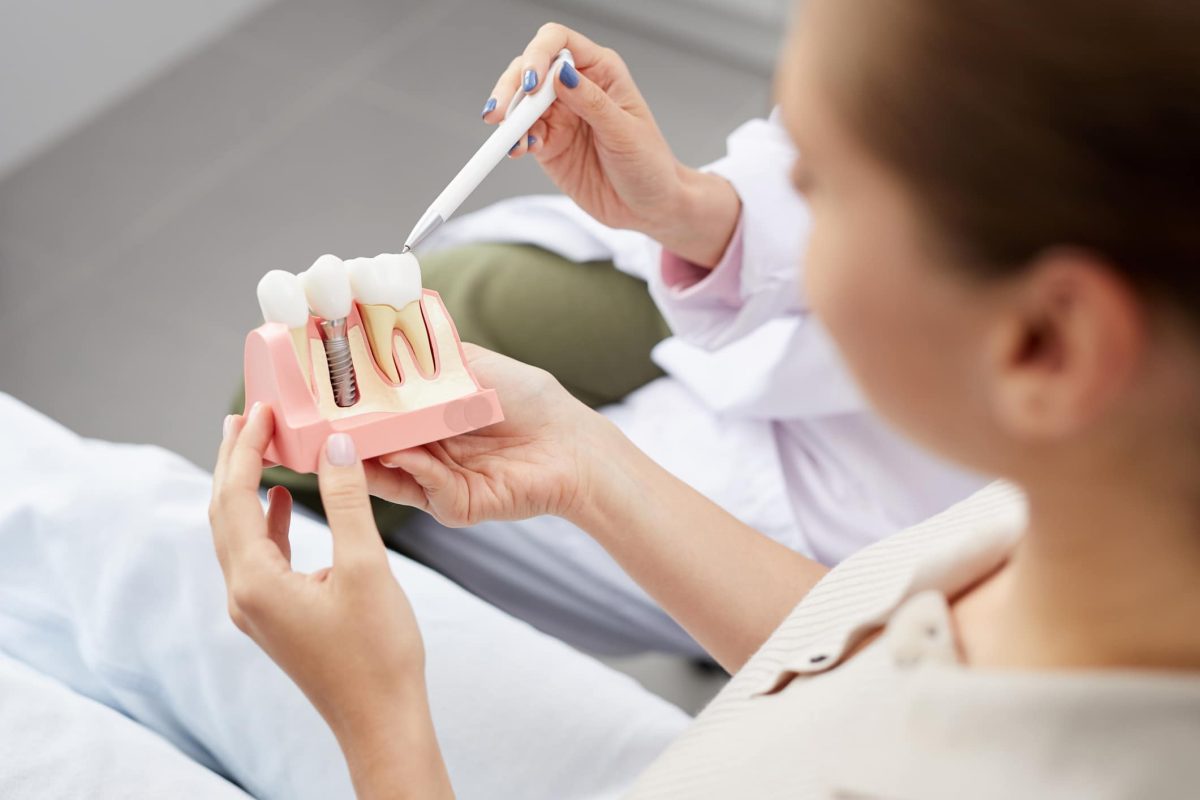
When we face tooth loss, the choices can feel overwhelming. Two of the most common solutions we offer our patients are removable dentures and dental implants. Both replace missing teeth, but they create vastly different experiences in function, lifestyle, comfort, and long-term cost. As dental professionals committed to restoring smiles and confidence, we help patients make these decisions with clear, comprehensive information. Understanding all the factors ensures we make choices that benefit your health and quality of life for years to come.
We want to look deeper than the initial price tag in this comparison. We’ll explore everyday realities and long-term value, covering initial investment versus ongoing expenses, daily comfort, maintenance, and the lasting impact on oral health. Our goal is to give you insights so you can choose the best solution for your personal, financial, and health needs.
The Upfront Cost vs. Lifetime Value
Understanding Immediate Expenses
Many patients consider the financial investment first. On the surface, removable dentures often seem more affordable. Fabricating a set of full or partial dentures costs less up front than placing dental implants. This cost difference makes dentures appealing for a tight budget or when someone needs a quick solution.
Accounting for Long-Term Commitment
However, dentures are not a one-time purchase. They require regular adjustments and relining and are typically replaced every five to ten years on average. You’ll also spend on adhesives, special cleaners, and more frequent dental visits for refitting. Over time, these expenses add up quickly.
Dental implants require a higher upfront investment, but they give you a permanent solution. We surgically anchor them to your jawbone, so you don’t need replacements under normal circumstances. With daily brushing, flossing, and regular dental check-ups, implants can last a lifetime. When you tally up 20 or 30 years of denture-related expenses—including replacements, adhesives, and maintenance—the total cost can equal or surpass the one-time cost of implants. We encourage our patients to view this choice as a long-term investment in their health and stability.
A Comparison of Daily Comfort and Function
Day-to-Day Life With Dentures
The difference in daily life between dentures and implants is significant. Removable dentures rest on your gums, held in place by suction or dental adhesive. This design often causes comfort problems. Many new denture wearers struggle to learn to eat and speak, and many complain about a persistent, bulky feeling. Because dentures aren’t anchored, they can slip or move, causing sore spots and embarrassing slips during meals or conversations. This instability also limits biting force, requiring a softer diet and necessitating the avoidance of certain foods such as steak, nuts, or crisp apples.
Everyday Experience With Implants
Dental implants work just like natural teeth. We insert an implant post to serve as an artificial tooth root, anchoring your new tooth securely to your jawbone. This direct connection gives you unmatched stability—no more slipping or shifting. You can eat, speak, and smile with the same confidence you had before tooth loss. Implants come with no dietary restrictions, no bulkiness, and no gum irritation. You don’t have to think about them; you simply enjoy your natural lifestyle.
Impact on Oral Health and Bone Structure
Dentures and Jawbone Changes
The long-term impact on oral health separates dentures from implants in a major way. After you lose a tooth, the jawbone in that area no longer gets stimulation from a natural root. Your body begins to dissolve (resorb) bone from that area, causing the jaw to shrink over time. This bone loss can lead to a sunken facial appearance. Removable dentures cannot prevent this process; in fact, because they rest on the gum tissue, the pressure can sometimes accelerate bone loss and require more frequent adjustments.
How Implants Preserve Bone and Structure
Dental implants preserve bone health through a unique process called osseointegration. When we place a titanium implant post in your jaw, the bone naturally fuses with it over time. This biological connection allows the implant to function just like a natural tooth root, providing the jawbone with regular stimulation during chewing and biting. Consistent stimulation through daily use signals your body to maintain the surrounding bone, helping prevent bone loss that typically follows tooth loss. By supporting healthy bone levels, dental implants help maintain your natural facial structure and provide a secure, long-lasting foundation for your teeth. Dentures rest on the gums and cannot stimulate bone in the same way, so they do not prevent the gradual bone loss that can alter your appearance and oral health.
Making the Best Choice for Your Future
Weighing Lifetime Benefits
When you choose between dental implants and dentures, you’re making a decision that will affect your health, comfort, and confidence well into the future. Dentures may have a lower up-front cost, but they often require ongoing maintenance, restrict certain foods, and cause frequent discomfort. Dental implants, while more expensive at first, deliver a permanent, hassle-free solution that looks, feels, and works just like your natural teeth. They also preserve your face's shape and the strength of your jawbone. We guide our patients so they find an option that restores their smiles and improves their quality of life for decades.
Frequently Asked Questions About Dental Implants
Are dental implants painful to get?
Most people find the dental implant procedure very comfortable. We use local anesthesia to numb the area so that you won’t feel anything during the surgery. Many say the process feels easier than a tooth extraction. Mild soreness and swelling last just a few days and respond well to over-the-counter pain medications.
How do I care for my dental implants?
Treat your dental implants exactly as you would your natural teeth. You do not need any special paste, adhesives, or soaking solutions. Brush twice a day, floss daily, and visit your dentist regularly for check-ups and cleanings. With good care, your implants can last a lifetime.
At Implant Dentistry of Greater Lansing, we specialize in advanced tooth replacement solutions for patients in Lansing and the surrounding areas. Our team focuses on creating healthy, functional, and beautiful smiles that truly last. If you want to learn more or have questions about your options, please reach out to us.