October 31, 2026
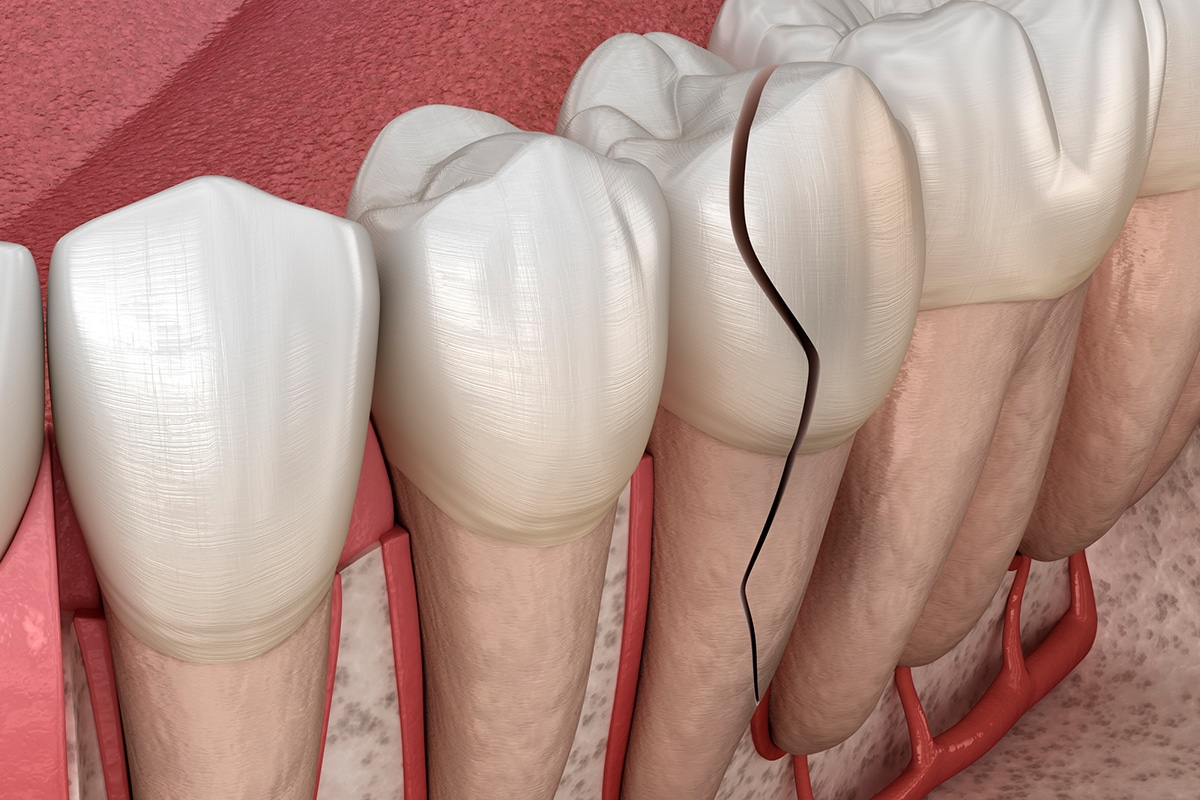
Dental surprises often show up at dinner. You bite into a steak, a stray olive pit, or a handful of almonds. Suddenly your tongue finds a sharp edge, or an empty hole where a filling sat yesterday. Maybe nothing hurts yet, or maybe cold water sends a jolt through the tooth. Either way, you probably want to know two things: how serious it is, and what the repair will involve.
At Implant Dentistry of Greater Lansing, our team helps patients answer those questions all the time. A cracked tooth and a lost filling can look alike from the outside, but the repair we recommend depends on what we find beneath the surface. Below, we explain how we examine a damaged tooth, how we match the damage to the right repair, and what we do when a crack runs deeper than a simple fix can handle.
How We Diagnose a Cracked Tooth or Lost Filling
A good repair starts with a clear diagnosis. We combine your description of the problem with a hands-on exam and imaging, so we never rely on guesswork.
Listening to Your Symptoms
Your symptoms give us our first set of clues. We ask when the problem started, what triggers it, and how long the discomfort lasts. A quick, sharp pain when you release your bite often points to a crack. Sensitivity to sweets or cold air may mean a lost filling has exposed dentin, the softer layer under your enamel.
A throbbing ache that lingers or wakes you at night can signal an irritated or infected nerve. Some patients feel nothing at all. Even without pain, a crack or open cavity can keep growing quietly, so we take painless damage seriously too.
Examining the Tooth Up Close
Next, we look at the tooth itself. Depending on your symptoms, our exam may include:
- A close visual check to spot fine lines, chips, and gaps around old fillings
- Bite testing, where you bite on a small instrument one point at a time so we can find the exact sore spot
- A gum check, since a deep, narrow pocket along one side of a tooth can hint at a crack below the gumline
Imaging With X-Rays and CBCT
X-rays help us find decay under old fillings, bone changes, and signs of infection near the root. However, thin cracks often hide on standard X-rays because they don't line up with the X-ray beam. When we need more detail, our CBCT scanner creates a three-dimensional view of the tooth, root, and surrounding bone. That extra view helps us spot bone changes linked to deeper fractures and plan your treatment with more confidence.
Matching the Repair to the Damage
Once we understand the damage, one question guides our recommendation: how much strong, healthy tooth remains? Fillings, inlays, onlays, and crowns all fall under restorative dentistry, and each fits a different level of damage. We explain the trade-offs of each option so you can choose with confidence.
Composite Fillings for Small, Contained Damage
If a lost filling left a modest hole, or a chip affects only a small area, a composite filling often solves the problem. We remove any decay, clean and shape the area, and bond tooth-colored resin in thin layers. A special curing light hardens each layer. Composite matches the shade of your natural tooth, so the repair blends in, and we can usually finish it in a single visit.
Inlays and Onlays for Moderate Damage
Sometimes the gap grows too large for a filling to handle chewing forces, yet the tooth still has plenty of healthy structure. Inlays and onlays fill that middle ground. An inlay fits inside the cusps, the raised points on the chewing surface of a back tooth. An onlay extends over one or more cusps to reinforce them.
We custom-make these restorations from a precise impression or scan of your tooth. That snug fit lets us strengthen the tooth while saving more of its natural structure than a crown would.
Crowns for Significant Cracks or Weakened Teeth
When a crack runs across a tooth, a cusp breaks off, or a large old filling leaves only thin walls behind, we usually recommend a crown. A crown caps the entire visible part of the tooth. It holds the tooth together and spreads biting forces more evenly. For a cracked tooth, a crown can help keep the crack from spreading, although no treatment can guarantee that outcome.
A Quick Way to Compare Your Options
Here's a simple way to think about the three main repairs:
- Composite filling: small damage, strong surrounding tooth, usually one visit
- Inlay or onlay: moderate damage, saves more natural tooth than a crown
- Crown: large cracks, broken cusps, or weak walls that need full coverage
When the Damage Goes Deeper
Some cracks travel past the enamel and dentin into the deeper parts of the tooth. In these cases, a filling or crown alone won't solve the problem, and we look at the next level of care.
Root Canal Treatment for Cracks That Reach the Pulp
The pulp sits at the center of your tooth and holds its nerves and blood vessels. When a crack or deep decay reaches the pulp, bacteria can move in and cause inflammation or infection. Root canal treatment lets us remove the damaged pulp, clean the inside of the tooth, and seal it to block new infection.
Afterward, back teeth usually need a crown. A tooth that has had a root canal can become more brittle, and the crown protects it from breaking under chewing pressure.
Extraction When a Tooth Can't Be Saved
We always try to save your natural tooth when we can do so safely. Still, some damage goes too far. A tooth that has split into separate pieces, or a crack that extends deep below the gumline, may leave too little structure to rebuild. A vertical root fracture, which begins in the root and moves upward, often leads to extraction. When removal becomes the healthiest choice, we perform the extraction with careful attention to your comfort.
Replacing a Missing Tooth
Losing a tooth doesn't mean living with a gap. We'll talk through replacement options that fit your mouth, your goals, and your budget:
- Implant restorations replace the visible tooth on top of a dental implant, which acts as a new root
- Dental bridges use the teeth on either side of a gap to support a replacement tooth
- Partial or full dentures help when several teeth or a full arch need replacing
Replacing a missing tooth helps you chew comfortably and keeps nearby teeth from drifting into the open space.
Your Next Step for a Cracked or Broken Tooth
A cracked tooth or lost filling rarely improves on its own. Enamel can't grow back, and an open space invites food, bacteria, and new decay. Small problems often need only a quick composite filling. Waiting can turn that simple fix into a crown, a root canal, or even an extraction.
If you notice pain when you chew, new sensitivity, or a missing filling, call our Lansing office and schedule an exam. We'll find the source of the problem, explain what we see, and help you choose the repair that makes the most sense for your tooth.
Frequently Asked Questions About Restorative Dentistry
Can I wait to fix a cracked tooth if it doesn't hurt?
We don't recommend waiting. A painless crack can still grow deeper over time. If it reaches the pulp or splits the tooth, you may need more involved treatment than you would have needed early on.
What should I do at home until my appointment?
Chew on the opposite side of your mouth and avoid hard, sticky, or very hot and cold foods. Brush the area gently and rinse with warm water to keep it clean. Many drugstores sell temporary dental cement that can cover a lost filling for a short time, but it won't replace a proper repair.
Why did my filling fall out?
Fillings can loosen for several reasons. New decay can form around the edges, and fillings wear down over years of chewing. Biting hard objects, chewing ice, and grinding your teeth can also crack or dislodge a filling. During your exam, we look for the cause so the new repair lasts longer.
Will my filling or crown look natural?
In most cases, yes. Composite fillings match the shade of your natural teeth. Many crowns, inlays, and onlays use tooth-colored materials that blend in with your smile. We'll discuss material choices with you, since strength and appearance needs can vary for front and back teeth.
How can I make my restorations last?
Brush twice a day, floss daily, and keep up with regular checkups so we can catch small problems early. Avoid using your teeth to open packages or crack nuts. If you grind or clench at night, ask us whether a night guard could help protect your teeth and restorations.
At Implant Dentistry of Greater Lansing, we help patients in Lansing, MI, and nearby communities repair damaged teeth and replace missing ones. Our team offers fillings, crowns, root canal treatment, implant restorations, and more, with clear explanations at every step. If you have a cracked tooth, a lost filling, or another dental concern, contact us.