October 29, 2026
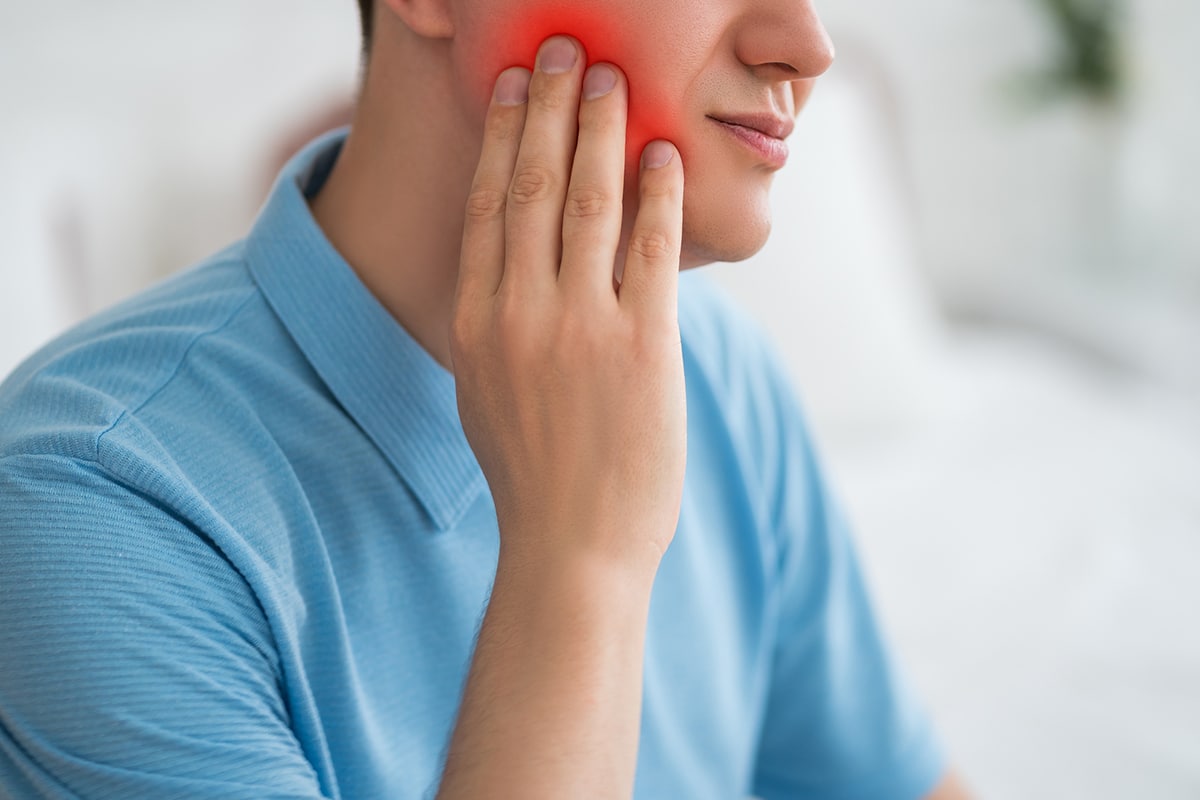
Tooth pain has terrible timing. It often flares up after you climb into bed or halfway through a Saturday, when your dentist's office has already closed. If this happens, start by ruling out a medical emergency. Then ease the pain safely at home and contact a dentist as soon as you can. Swelling that spreads to your face or neck, a high fever, or trouble breathing or swallowing calls for an emergency room visit.
We wrote this guide to help you stay calm and make a smart choice when pain strikes at an inconvenient hour. Below, we explain why tooth pain often shows up after hours, which home care steps can help, and how to tell a dental emergency from a medical one. We also answer the questions our patients ask most often about urgent dental care.
Why Tooth Pain Often Strikes After Hours
Many people notice that a toothache feels worse at night. One common explanation involves posture. When you lie flat, blood flow to your head may change and add pressure to an already inflamed tooth or gum. Nighttime also brings fewer distractions, so you notice every throb. Weekend pain usually comes down to timing. A small crack or a slow-building infection can quietly worsen all week and finally reach a breaking point on a Saturday.
Common Causes of Urgent Tooth Pain
Most after-hours dental pain traces back to a handful of problems:
- Dental abscess: A pocket of infection near the tooth root or in the gums. It often causes throbbing pain, swelling, a bad taste, and sometimes fever.
- Cracked or fractured tooth: A crack may cause no pain at first. Once it reaches the inner pulp, biting or chewing can trigger sharp pain.
- Deep decay: When a cavity reaches the nerve, it can cause intense, lingering pain that often requires root canal therapy.
- Lost filling or crown: Exposed tooth structure reacts quickly to hot, cold, and pressure.
- Advanced gum disease: Severe gum infections can cause soreness, bleeding, and loose teeth.
- Dental injury: A fall, sports collision, or accident can chip, loosen, or knock out a tooth.
Ignoring these problems rarely makes them go away. An untreated infection can spread beyond your mouth, so it pays to act early. The next step is managing the pain until a dentist can examine you.
How to Ease Tooth Pain Until You Can See a Dentist
Home care won't fix the cause of your pain, but it can help you rest and get through the wait. These simple steps work for most toothaches.
Steps That Can Help
- Rinse with warm salt water. Swish gently to clean the area and dislodge trapped food.
- Floss carefully around the sore tooth. A stuck piece of food can cause surprising pressure and pain.
- Take an over-the-counter pain reliever, such as ibuprofen or acetaminophen, and follow the label directions. Ask a pharmacist if you take other medications or have health conditions.
- Apply a cold compress to the outside of your cheek for about 15 minutes at a time to calm swelling.
- Rest with your head raised on an extra pillow to ease pressure around the tooth.
- Chew on the other side and skip very hot, cold, or sugary foods and drinks.
Mistakes to Avoid
Some popular remedies do more harm than good. Never place aspirin or another painkiller directly on your gums or tooth, because it can burn soft tissue. Avoid applying heat to a swollen face, since warmth can encourage an infection to spread. And don't let temporary relief convince you to cancel your dental visit. Pain that fades can still signal a serious problem.
If You Knock Out a Tooth
A knocked-out adult tooth needs fast action. Pick it up by the crown, not the root. Rinse it gently with water without scrubbing, and try to place it back in its socket. If that doesn't work, keep the tooth in a small container of milk and contact a dentist immediately. Quick treatment gives you the best chance of saving the tooth.
Knowing how to handle the wait matters, but knowing where to go matters just as much.
Dental Emergency or Medical Emergency? Knowing Where to Go
Not every toothache belongs in the emergency room, and not every emergency can wait for a dental appointment. Sorting your symptoms into the right category helps you get the right care faster.
When to Head to the Emergency Room
Go to the nearest emergency room, or call 911, if you notice any of the following:
- Swelling that spreads to your face, eye, jaw, or neck
- Difficulty breathing or swallowing
- High fever along with dental pain
- Heavy bleeding that won't stop with firm pressure
- A facial injury that could involve a broken jaw or other trauma
These signs can point to a spreading infection or a serious injury. Emergency room teams can stabilize you and treat infection, but most hospitals don't offer complete dental care. You will likely still need follow-up treatment with a dentist.
When to Call an Emergency Dentist
For most urgent tooth problems, an emergency dentist offers the most direct path to relief because we can treat the actual cause of your pain. Call a dental office promptly for severe or lasting toothaches, a cracked or broken tooth, a lost filling or crown, a knocked-out tooth, or swelling limited to your gums.
Our team handles a wide range of urgent problems. We perform emergency tooth extractions, provide root canal therapy for infected teeth, treat dental abscesses and severe gum disease, and repair broken, chipped, or damaged teeth. If pain starts at night or over the weekend, use the home care steps above and contact our office as soon as it opens. When you call, describe your symptoms clearly so we can understand how quickly you need care.
Make a Plan Before Tooth Pain Strikes
Tooth pain at night or on weekends feels overwhelming, but a simple plan puts you back in control. First, check for warning signs of a medical emergency, such as spreading swelling, fever, or trouble breathing. Next, ease your discomfort with safe home care, such as saltwater rinses, cold compresses, and over-the-counter pain relievers. Finally, contact a dentist as soon as possible so we can find and treat the cause.
We also recommend saving your dentist's contact information in your phone today, before you need it. Regular checkups and wearing a mouthguard during sports can lower your risk of many dental emergencies. When something does go wrong, acting quickly protects your comfort and your smile.
Frequently Asked Questions About Emergency Dentistry
How do I know if my tooth pain counts as a dental emergency?
Severe or lasting pain, swelling, a knocked-out or broken tooth, and signs of infection, like fever or a bad taste in your mouth, all suggest a dental emergency. If you feel unsure, call a dental office and describe your symptoms instead of waiting to see if the pain fades.
What can I do if I can't reach a dentist on the weekend?
Manage your pain with warm salt water rinses, gentle flossing, cold compresses, and over-the-counter pain relievers taken as directed. Contact your dentist on the next business day. If you develop facial swelling, fever, or trouble breathing or swallowing, go to an emergency room right away.
Can a dental abscess become life-threatening?
Yes. If someone leaves an abscess untreated, the infection can spread to the jaw, neck, and other parts of the body. Swelling, fever, or difficulty breathing or swallowing requires immediate emergency medical care.
Will I need a root canal for a severe toothache?
You may. Dentists often recommend root canal therapy when decay or infection reaches the nerve inside the tooth. A dentist will examine the tooth, usually take X-rays, and then explain your treatment options.
Does dental insurance cover emergency dental care?
Coverage depends on your insurance provider and specific plan. We suggest checking with your insurance company to understand your benefits, and our team can help answer insurance questions when you contact our office.
At Implant Dentistry of Greater Lansing, we provide comprehensive dental care, from routine checkups and restorative treatment to dental implants and emergency care. We serve patients and families throughout the Greater Lansing area, and we want every visit to feel comfortable and personal. If you have a dental concern or need help with a dental emergency, please contact us.