April 28, 2026
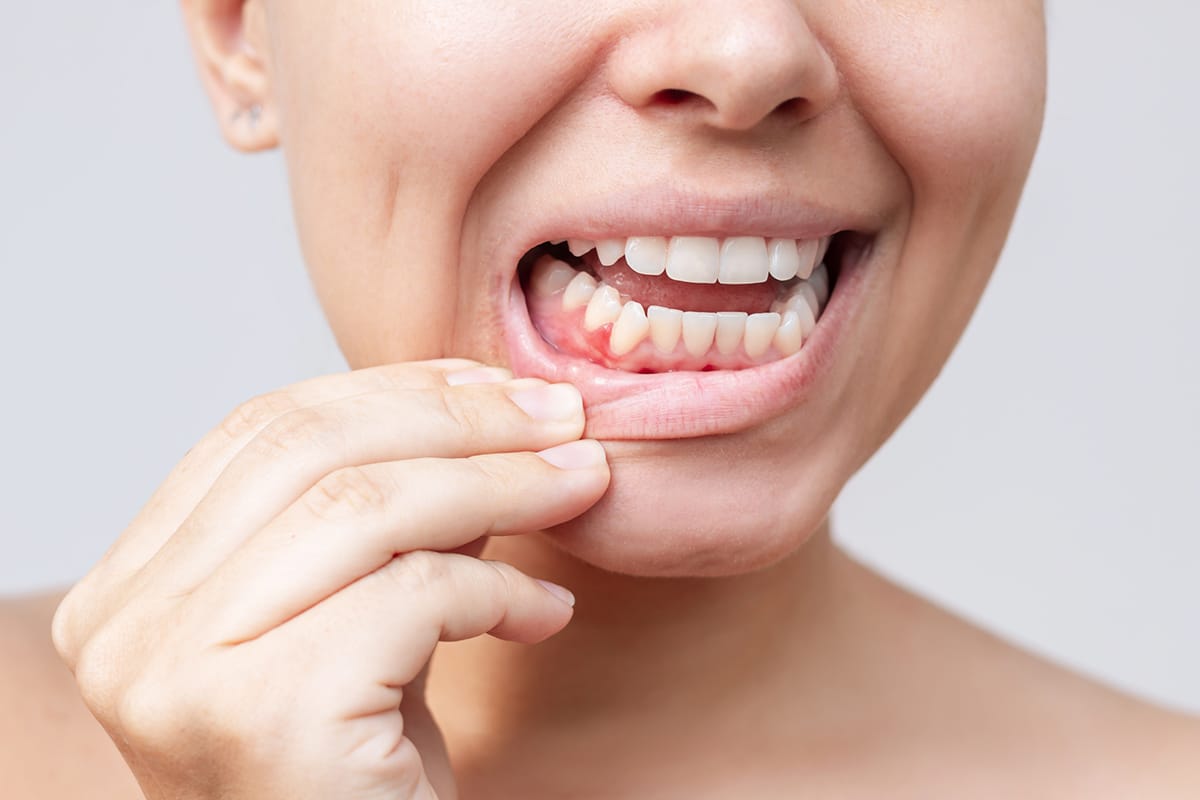
We brush, we floss, and we do our best to keep our teeth looking great, but how often do we actually pay attention to our gums? Gum disease, also known as periodontal disease, often sneaks up quietly. In its earliest stage, called gingivitis, the symptoms remain incredibly mild. Because it rarely causes pain right away, many of us treat the warning signs as temporary irritation. Unfortunately, when we ignore these subtle changes, the infection spreads beneath the gum line and eventually threatens the supporting structures of your teeth.
When we catch these issues early, we prevent irreversible damage. If we identify gum disease in its initial stages, we usually reverse it with professional care and better daily hygiene. Untreated gum disease often progresses into advanced periodontitis, which causes most adult tooth loss. By learning to spot early warning signs, you can take control of your oral health and keep your smile strong for years to come.
That "Normal" Bleeding During Brushing and Flossing
Many people believe that a little pink in the sink is perfectly normal, especially after vigorous flossing or trying a new toothbrush. The truth is, healthy gums never bleed. If you notice bleeding when you brush, floss, or even bite into hard foods like apples, you are likely seeing the first sign of gingivitis. Plaque—a sticky film of bacteria—builds up along the gum line every single day. When we fail to remove this plaque effectively, bacteria release toxins that irritate the gum tissue and trigger inflammation.
Recognizing Inflammation and Swelling
Along with bleeding, you might notice changes in the appearance of your gums. Healthy gums feel firm to the touch and look pale pink. If your gums appear bright red, feel puffy, or turn tender when you press on them, your body actively fights an infection. This inflammation reflects your immune system’s response to bacterial buildup. If you address this stage quickly through specialized periodontics, you can stop the infection right away and restore your gums to their firm, healthy state before you experience any bone loss.
A Lingering Bad Taste or Persistent Bad Breath
We all deal with morning breath or the lingering effects of a garlic-heavy meal, which we can quickly fix with a brush or a mint. However, if you find yourself constantly battling bad breath—clinically known as halitosis—no matter how much mouthwash you use, you might have a more serious issue. The same bacteria that cause gum inflammation also release foul-smelling sulfur compounds as they feed on food particles trapped between your teeth and under your gum line.
Why Mouthwash Won't Solve the Problem
When early gum disease causes bad breath, cosmetic fixes like mints and rinses only hide the odor for a short time. These products cannot reach or break down the hardened plaque, known as tartar, where bacteria thrive. You may also notice a constant bad taste in your mouth, sometimes metallic or sour. This taste develops because bacteria continually produce waste products right up against your teeth. By removing this stubborn tartar through professional cleanings, we eliminate the source of the odor and leave your breath genuinely fresh and your gums much healthier.
Changes in How Your Teeth Look and Feel
As gum disease advances beyond the earliest stages, you may notice changes in your smile when you look in the mirror. One of the most common warning signs we see is gum recession. If your teeth suddenly appear longer than before or you spot a slight notch at the gum line, your gums are likely pulling away from your teeth. Ongoing inflammation destroys gum tissue, causing it to detach and create deep pockets where even more bacteria hide and multiply.
Sudden Sensitivity to Hot and Cold
When gum tissue recedes, it reveals the roots of your teeth. The crowns have a thick layer of enamel for protection, but the roots only have a softer material called cementum. This layer leaves the tiny nerve endings inside the tooth exposed to temperature changes. If you suddenly wince when you drink hot coffee or eat ice cream, do not just blame a cavity. This new sensitivity often results directly from receding gums due to untreated periodontal disease. We watch these changes closely so we can step in before the jawbone that supports your teeth suffers damage.
Protecting Your Smile from Hidden Dangers
Caring for your gums matters just as much as protecting your teeth from cavities. Early gum disease symptoms are easy to overlook, but spotting a little bleeding, persistent bad breath, or slight sensitivity can completely change your long-term oral health. We encourage you to pay attention to what your mouth tells you. If you stick to a daily routine of brushing and flossing and keep up with regular professional exams, we can catch these subtle warning signs together. Healthy gums build the foundation for a healthy smile, and when we address problems early, we help you avoid complicated, invasive procedures later on.
Frequently Asked Questions About Periodontics
What is the difference between gingivitis and periodontitis?
Gingivitis marks the earliest and mildest stage of gum disease. Redness, swelling, and bleeding gums signal this condition. Gingivitis affects only the gum tissue, and you can reverse it completely with good oral hygiene and professional cleanings. Periodontitis, on the other hand, represents an advanced stage. The infection moves beneath the gums, breaking down the bone and tissues that hold your teeth in place. At this point, you need specialized management because you can no longer reverse the damage.
Can I treat early gum disease at home?
Excellent at-home care remains essential, but you cannot treat gum disease on your own once tartar forms. Plaque hardens into tartar in just a few days, and a standard toothbrush does not remove it. We use professional dental cleanings to scale away this hardened bacteria from above and below the gum line so your gums can heal properly.
At Implant Dentistry of Greater Lansing, we provide comprehensive, compassionate dental care to keep your smile bright and functional. Whether you need preventative maintenance or advanced restorative treatments, our team supports your lifelong oral health. If you notice any signs of gum disease or want to schedule your next visit, please reach out to us today.