September 15, 2026
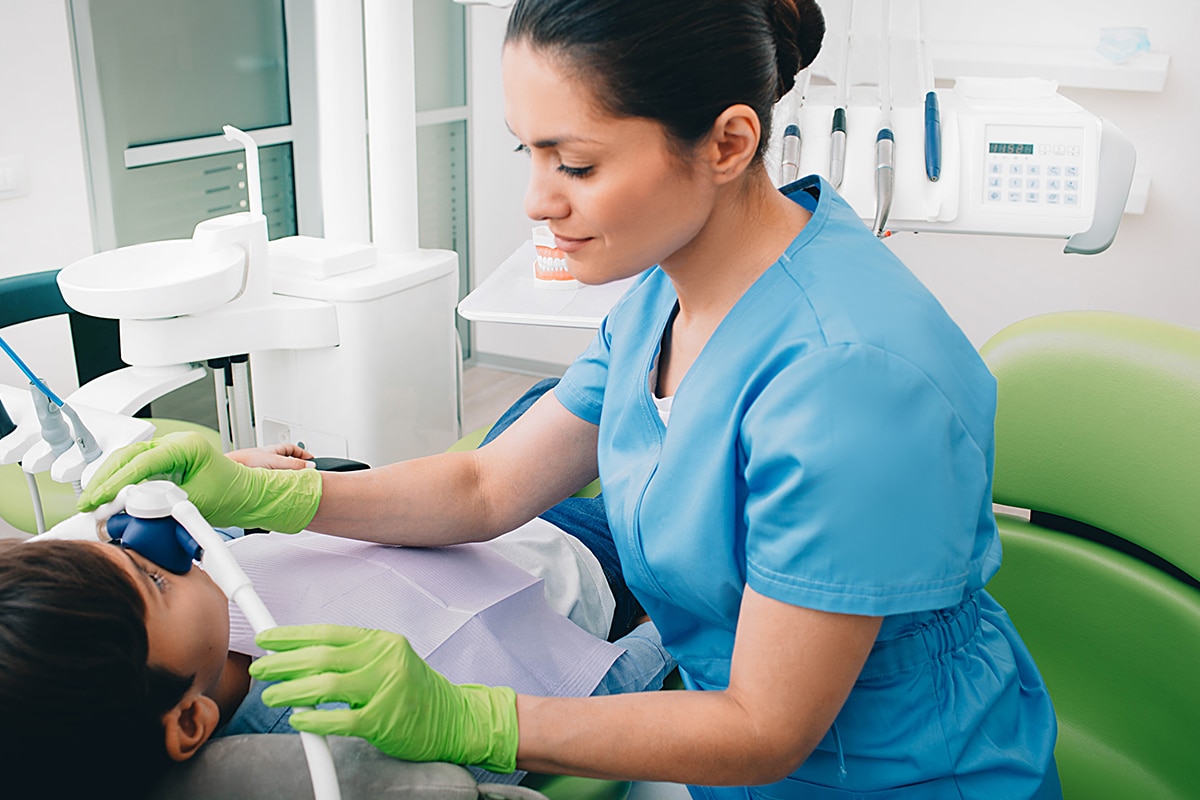
For many people in Lansing, avoiding the dentist has nothing to do with laziness or forgetfulness. It comes down to fear. That fear can delay treatment for months or even years — leading to bigger problems down the road. Sedation dentistry addresses that fear directly. It uses medication to bring your anxiety down to a manageable level so our team can provide the care you need without you spending the whole appointment white-knuckling the armrests.
The question we hear most often is simple: is it safe? Yes — and it has a strong track record to back that up. Understanding how it works, and what our team does to look after you throughout your visit, gives you a much clearer picture of what to expect.
Why Trained Oversight Makes All the Difference
When qualified dental professionals carefully administer sedation, the risk profile is low. The method matters, and so does the team behind it.
At Implant Dentistry of Greater Lansing, Dr. Jay Crawford and Dr. Saran Naqshbandi lead our care team with decades of combined clinical experience. We offer oral conscious sedation while carefully monitoring every patient from start to finish.
Oral conscious sedation means you take a prescribed medication before you arrive. By the time your procedure begins, you are awake but deeply at ease. You can still respond to our team; your anxiety just no longer gets in the way.
Before we recommend sedation, we review your health history in full — medications, existing conditions, and anything else that could affect how your body responds. We track your vital signs throughout the appointment.
How Do You Know If Sedation Is Right for You?
Sedation is not a one-size-fits-all solution, but it applies to more situations than most patients realize. You may be a good fit if you:
- Avoid dental visits because of anxiety or fear
- Have a lower pain tolerance or particularly sensitive teeth
- Need more extensive or time-consuming treatment
- Have a gag reflex that makes dental work uncomfortable
- Find it hard to stay still for long stretches
Children can also be candidates for sedation — particularly those who feel strong fear at dental appointments or have special needs that make standard treatment difficult. If you are considering sedation for your child, we will talk through their health history and help you decide whether it makes sense before moving forward.
Before, During, and After: What to Plan For
Going in prepared makes a real difference. Before a sedation appointment, we give you clear instructions tailored to the type of sedation you will receive. That usually means fasting for a set period beforehand and having a trusted person available to drive you home.
During the procedure, our team monitors you the entire time. We use CBCT imaging and digital scanning to support precise, efficient treatment — so the time you spend in the chair is well used.
Once the appointment is done, plan for a slower rest of the day. Sedation effects do not always wear off quickly, and driving or making major decisions before they fully clear is not a good idea. Most patients are back to feeling like themselves by the next morning.
Good Oral Health Should Not Require Powering Through Fear
Anxiety has a way of turning a manageable appointment into something that feels impossible. Sedation dentistry changes that. It gives our team the ability to work efficiently while keeping you comfortable — and it gives you a path back to the dental care you have been putting off.
At Implant Dentistry of Greater Lansing, we treat every patient as an individual. We walk through each step with you before it happens, take your concerns seriously, and adjust our approach based on what you actually need — not a general script.
If fear has kept you out of the chair, that does not have to be the whole story. Contact us to set up a consultation and find out whether sedation is the right fit for your next visit.
Frequently Asked Questions About Sedation Dentistry
Is sedation dentistry safe if I have other health conditions?
It depends on what those conditions are. We review your full health picture — including any prescriptions you take and any diagnoses you carry — before making a recommendation. We only offer sedation when it is the right call for your specific situation. If your medical history is complex, bring all of that to your consultation so we can plan accordingly.
How long will I feel the effects after my appointment?
Oral sedation can leave you feeling off for several hours after you leave our office. You will need someone to drive you home, and we suggest keeping the rest of your day low-key — no driving, no major decisions. Most patients feel fully recovered by the next morning.
Do you offer sedation for children?
Yes. For children who face real difficulty with dental anxiety, or who have special needs that complicate standard care, sedation can be a safe and appropriate option. We always assess the child's health history first and walk parents through the decision before scheduling anything.
What kinds of dental work can be done with sedation?
The range is wide. Routine appointments, fillings, tooth extractions, implant procedures, and more complex oral surgery can all be carried out with sedation. A meaningful advantage for many patients is that sedation allows us to accomplish more in a single visit — which cuts down on the number of times you need to come back.
Can you eat before taking oral sedation for a dental procedure?
Your dentist may ask you to avoid eating or drinking for a certain period before taking oral sedation, depending on the medication and procedure planned. Always follow the specific pre-appointment instructions provided by your dental team, since eating too close to your visit may affect the safety or effectiveness of sedation.
At Implant Dentistry of Greater Lansing, we provide patient-focused dental care for individuals and families throughout the greater Lansing area. If fear or anxiety has stood in the way of treatment you need, we want to help you change that. Reach out to us today to schedule a consultation and learn more about your options.